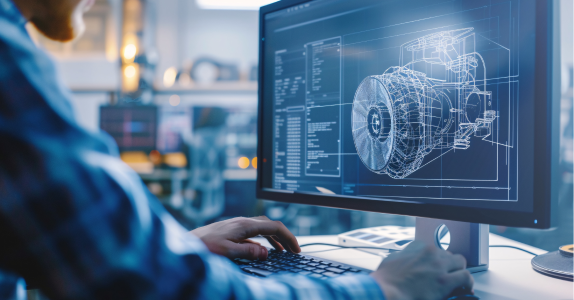
The engineering and construction aspects, which were just a mere dream in the primitive times, have become the most inevitable factor of the industry in recent times, with the assistance of digitalization and technology. One such factor is the collaborative medium and the integration of manufacturing models with BIM. Integrating these two domains of the construction industry has paved the way for multiple advantages and opportunities. However, achieving the mentioned integration isn’t that easy; various reasons hinder the integration. That said, in this blog, let’s discuss why the manufacturing models fail to be integrated with BIM.
The Need to Integrate Manufacturing Models with BIM
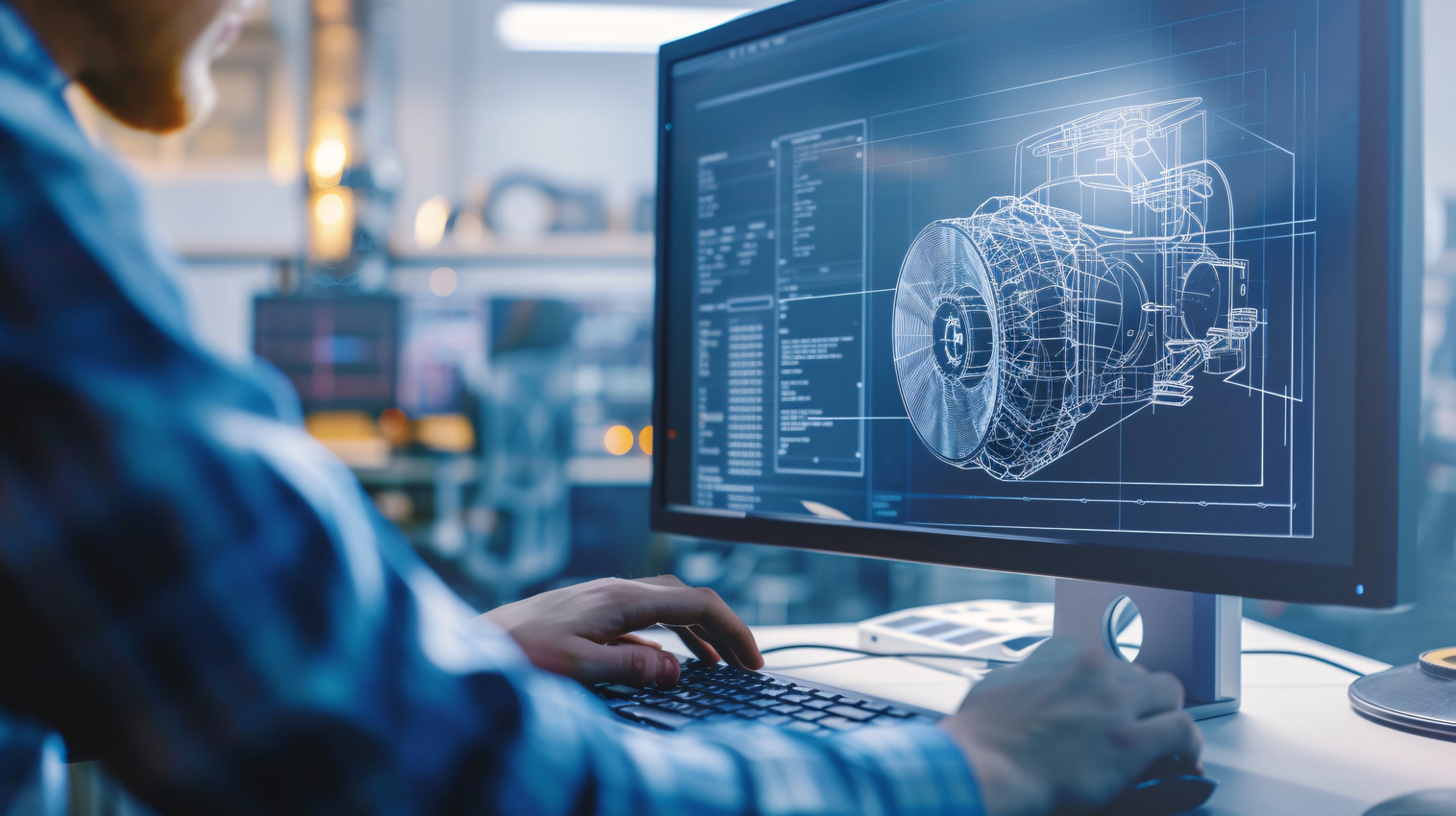
The current construction industry is advancing with the indulgence of various software solutions that include designing software and BIM applications. Some famous manufacturing design software are SolidWorks, Rhino, Creo, and more. Revit is a well-known BIM application in the industry. Integrating these manufacturing software solutions with BIM applications like Revit will disclose vital opportunities as the BIM solutions give a vision from the integrated designs with extensive information, which can be used for the Project Lifecycle Management (PLM) of the respective projects.
The 3D CAD design from the manufacturing solution can be integrated with a BIM solution like Revit, where the designs will evolve as a model with design data information. As we said earlier, the designs can be used in advance periods of the project, where the user can get access to the comprehensive model information through multiple views.
Outcomes of the ambitious integration
A stage for integrating manufacturing models with BIM can offer vital perks or opportunities for the projects and the professionals, which can redeem different perspectives or project approaches that save time and effort directly or indirectly.
Proper sustainability, cost-effectiveness, better workflow, clash detection to avoid errors earlier, and, most importantly, enhanced visibility of the model information are some of the highlights of having a reliable integration of manufacturing with BIM.
Let’s get deeper into the integration outcomes:
Advanced Product Design
Manufacturers can find opportunities with integration as they can easily collaborate and coordinate with architects and professionals to integrate their manufacturing model or the product into the building design. This ensures the precision of the design goes to the client as per the requirements.
Enhanced Visualization
The 3D BIM model will have all the converted or integrated features from the manufacturing software, including the design data information. BIM models can be made visible in the virtual environment, where the professionals can showcase the 3D BIM model with specific information in multiple views.
Early Clash Detection and Reduced Errors
The 3D models in the BIM environment can allow users to easily run the clash detection and look for soft and hard clashes. This integration assists a lot in resolving the errors, rectifying the conflicts at the early stages, and saving more time and effort.
Cost and Time Management
We said the integration allows for a more information-rich model, and this model will provide actual material take-offs and product information, which can save time and potentially more cost that the project owner can save by ordering materials and managing them.
Improved collaboration
The 3D BIM model prevails as a single source of truth with a cluster of information in one BIM platform and allows users to collaborate effectively and make more informed decisions.
Why Manufacturing Models Fail to be Integrated with BIM?
Not having or not following a proper integration method is the primary reason behind the failure that most users face. Connecting the manufacturing model with BIM has to be more reliable to embrace the collective benefits that we mentioned above.
When a construction or manufacturing industry does not use a reliable way to integrate the manufacturing models with BIM, there are chances of misconceptions, and this is due to the incompatibility between the respective solutions.
Manufacturing software and BIM software are different in file formats, and when these files are subjected to integration, it leads to distorted model translation and, therefore, failed integration attempts.
The design data that needs to be integrated into the BIM gets disturbed without a proper bridge, and this can disrupt the whole process. For example, let’s assume integrating the SolidWorks parts and assemblies into the Revit environment. It is essential to integrate the design data information with utmost precision, with all the inclusive metadata and properties. If there is a deviation in transferring this information, the BIM model cannot be a legitimate one, as there will be misinterpretations, distorted model information, uncategorized model components, and various other limitations.
What is essential to rectify the limitation?
A proper and effective model conversion or integration solution is required to integrate manufacturing models with BIM.
BIMDeX is one such ideal solution developed to bridge the gap between manufacturing models and BIM interfaces. The solution offers the users the exporter and importer plugins with which they can easily integrate the designs between two different software solutions.
Speaking about integrating the manufacturing models with BIM, the conversion tool supports different manufacturing software solutions like SolidWorks, Creo, Inventor, and more. Beyond this support, the application connects the respective solutions with BIM in more effective and customizable ways.
The interoperable model converter extends assistance beyond integration, and that includes simplified model translation, automatic categorization, excluding internal components, lightweight model conversion, bulk model conversion, and more.
Closing Thoughts
Since integrating manufacturing models with BIM opens up exemplary project opportunities, having a reliable integration method is a credible solution to achieve stable connectivity. BIMDeX is one such significant solution developed to integrate manufacturing models with BIM and streamline the model conversion in a better way. As a solution to promote interoperability, this application catalyzes the ideal process and redefines the integration. Get in touch with BIMDeX to know more!